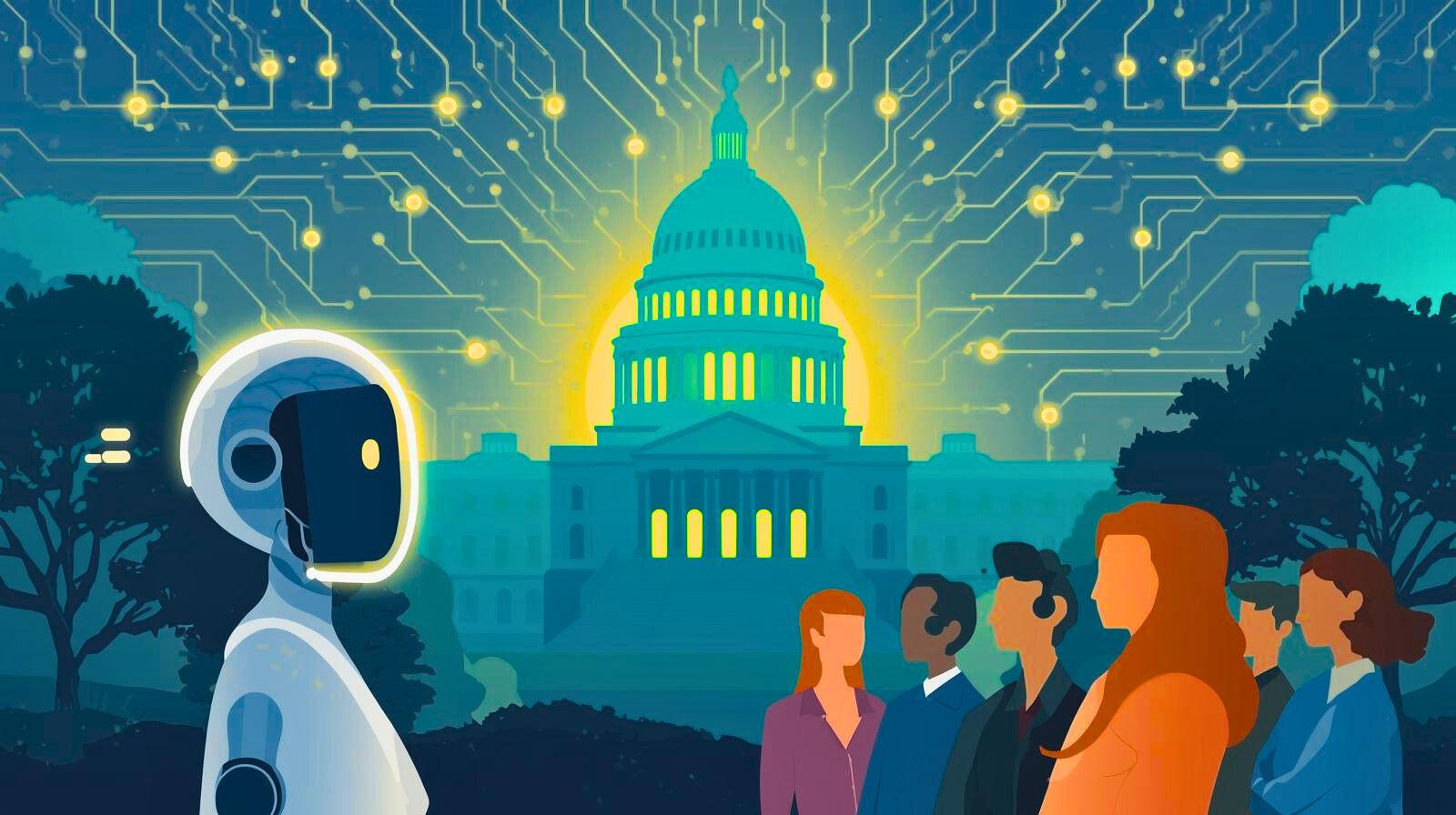
California has become the first state in the US to regulate AI companion chatbots, following Governor Gavin Newsom’s signing of Senate Bill 243 into law. The goal of the law is to protect children and other vulnerable users from potential risks associated with AI systems that simulate human emotion, relationships, and speech.
“AI Companion Chatbots” and Explain Their Significance
Conversational agents, also known as AI companion chatbots, are designed to simulate the role of friends or emotional confidants.
They can simulate human-like responses, provide emotional support, and adapt over time to users’ inputs.
Because these chatbots can make it difficult to discern between human and machine interaction, they pose risks, especially for children, such as giving them incorrect advice, making them dependent on them, or exposing them to offensive content.
By defining what an AI companion is and offering guidelines, SB 243 allays these worries.
Key Provisions of SB 243
Users must be made aware by platforms that they are speaking with a chatbot and not a human. Every three hours, a reminder for minors appears.
Age Restrictions & Safeguards: Chatbots are not allowed to pose as mental health specialists or have conversations with children about sexuality or self-harm.
Self-Harm & Crisis Protocols: If users show signs of suicidal or self-harming thoughts, systems must have protocols in place to direct them to crisis services or resources.
Transparency & Reporting: Businesses are required to submit data on self-harm referrals, chatbot usage, and compliance strategies on an annual basis.
Legal Accountability: If chatbots break the law, SB 243 allows users and their families to take legal action, which includes penalties.
Timeline for Compliance: On January 1, 2026, the law goes into force.
The Reason California Took This Action
Urgency was raised by dramatic events, such as suicides that were purportedly connected to AI chatbot interactions. In one instance, a teenager reportedly discussed death and self-harm in chat sessions with ChatGPT.
Compliance Timeline: The law takes effect January 1, 2026.
Why California Took This Step
Dramatic incidents like suicides allegedly linked to AI chatbot interactions triggered urgency, with one teen allegedly discussing death and self-harm in chat sessions with ChatGPT.
- Major platforms allowed chatbots to have “romantic” or “sensual” conversations with children, revealing security flaws, according to leaked internal documents.
- Advocates and lawmakers argued that the AI sector was not adequately regulated, especially for more vulnerable users.
- AI companies need to be transparent about compliance, update their policies, and incorporate safeguards.
- Other States & Countries: By setting a precedent, California’s action may inspire other jurisdictions to enact similar laws.
- Global Tech Ecosystem: Companies must design safer systems from the beginning because regulatory requirements are subject to change.
Although SB 243 raises the bar for user safety and accountability, particularly for children, it also has unintended consequences for innovation and enforcement issues. If properly implemented, SB 243 could become a global standard for AI policy. California took a risk by becoming the first state to regulate AI companion chatbots.
Challenges & Criticisms
Certain provisions of the bill were weakened through amendments to prevent making compliance excessively burdensome for smaller developers. The fifth critic issues a warning that auditing and enforcement can be difficult and resource-intensive. State-level regulation, according to some, may lead to disparate laws across the US, which would make it more challenging to develop national AI platforms. Developers may relocate their operations if safety and innovation are not properly balanced.
Consequences for Users:
Parents and users will gain from increased protections, transparency, and recourse in the event of harm from businesses and other states.
AI businesses must update their policies, include safeguards, and be open and honest about compliance.
Other States & Countries: By setting a precedent, California’s action may inspire other jurisdictions to enact similar laws.
Global Tech Ecosystem: Because regulatory expectations are subject to change, businesses must design safer systems from the start.
California has taken a bold step by becoming the first state to regulate AI companion chatbots via SB 243. While the law raises the bar for accountability and user safety—especially for children—it also faces challenges in enforcement and unintended effects on innovation. Still, if implemented well, SB 243 could become a benchmark in AI policy globally.
1. Legislation to restrict AI chatbots for kids vetoed by California governor | AP News
2. California becomes first state to regulate AI companion chatbots | TechCrunch
3. Senator Steve Padilla | Proudly Representing California Senate District 18
FAQs
1: What is California SB 243?
Ans: California is the first state to introduce legislation governing AI companion chatbots, with SB 243.
2: Why did California choose to regulate chatbots that use artificial intelligence?
Ans: To shield users from possible harm, deception, or manipulation by AI chatbots, particularly children.
3: Why is SB 243 an important law?
Ans: It emphasizes safety, openness, and moral application and establishes a standard for AI regulation in the US.
4: Whom will SB 243 have the greatest impact on?
Ans: AI chatbots are being used by developers, tech firms, and platforms, particularly those aimed at younger users
5: Is child protection the main goal of SB 243?
Ans: Yes, protecting children from emotional and psychological harm caused by AI bots is one of its main objectives.
6: In what ways does SB 243 improve responsibility?
Ans: By requiring businesses to adhere to safety regulations and making explicit disclosures that users are interacting with AI.
7: What safety precautions are mandated by SB 243?
Ans: Companies must disclose AI use, restrict harmful interactions, and ensure bots don’t manipulate or deceive users.
8: Will current AI chatbots need to be modified by developers?
Ans: Yes, in order to comply with the new safety and transparency standards, the majority of AI bots will need to be updated.
9: What potential effects might this law have on AI innovation?
Ans: Although it promotes responsible AI, some worry that the additional compliance requirements could impede innovation
10: What difficulties might SB 243 enforcement present?
Ans: confirming the behavior of the bots in real-time settings and ensuring compliance from all tech companies.
11: Would other states be able to emulate California?
Ans: Most likely, since California frequently establishes national standards for digital safety and tech regulation
12: Is SB 243 exclusive to chatbot companions?
Ans: Yes, AI intended for continuous, emotionally charged interactions is specifically targeted by the law.
13: What is a companion chatbot according to SB 243?
Ans: An artificial intelligence system created to mimic human companionship and establish emotional bonds with users.
14: Does failure to comply with SB 243 result in penalties?
Ans: Yes, businesses that break the law may be subject to fines or legal action.
15: Will the availability of chatbots in California be impacted by this law?
Ans: Potentially. To prevent issues with compliance, some businesses may limit or eliminate bots.
16: How can consumers determine whether a chatbot conforms with SB 243?
Bots must clearly identify themselves as artificial intelligence (AI) and provide access to their safety and privacy policies.
17. Does SB 243 mandate that chatbots be supervised by humans?
Ans: Human review is recommended for high-risk interactions, though it is not required.
18: How will businesses confirm the age of users?
Ans: By limiting minors’ access to sensitive features or putting age verification tools into place.
19: How does SB 243 affect the ethics of AI?
Ans: It encourages openness, accountability, and moral communication between AI and people.
20: Will SB 243 serve as a model for AI policy worldwide?
Ans: Yes, it could have an impact on global AI safety standards and regulatory frameworks if it is successful.