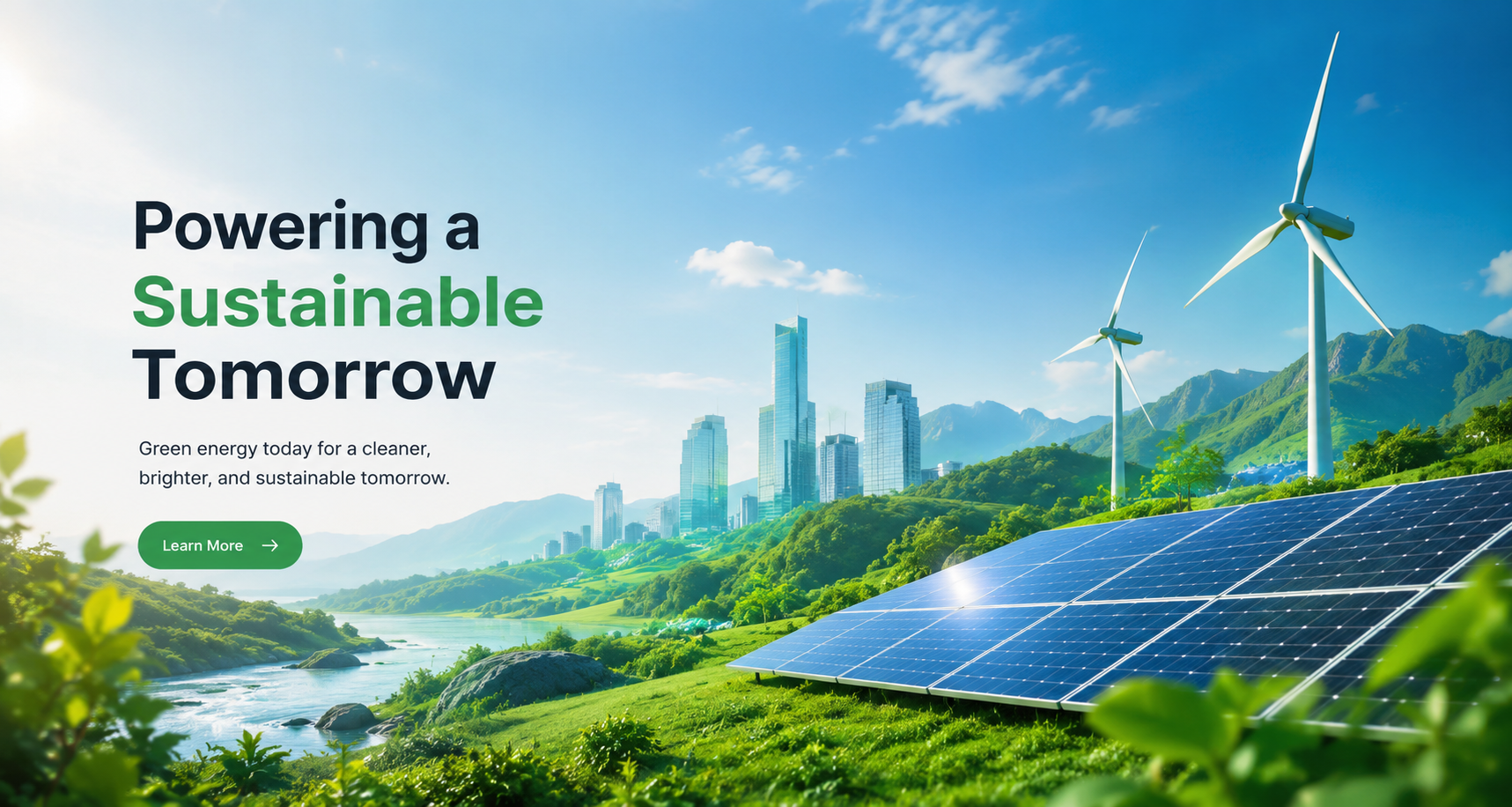
Green technology is transforming the way we live, work, and protect our planet. As climate change, pollution, and resource depletion continue to challenge the world, innovative technologies are helping industries and individuals reduce their environmental impact while promoting sustainable growth. From renewable energy and electric vehicles to smart buildings and eco-friendly manufacturing, green technology is shaping a cleaner and more efficient future.
But what exactly is green technology, and why is it becoming one of the most important innovations of the 21st century? Simply put, green technology refers to products, processes, and systems designed to conserve natural resources, reduce greenhouse gas emissions, minimize waste, and support environmental sustainability. Governments, businesses, and researchers worldwide are investing heavily in these solutions to build a low-carbon economy and create a healthier planet for future generations.
In this comprehensive guide, you’ll learn what green technology is, how it works, its key benefits, major types, real-world applications, current challenges, and the latest trends driving the future of sustainable innovation. Whether you’re a student, technology enthusiast, business owner, or simply curious about environmental solutions, this article will provide a clear and practical understanding of green technology and its growing role in modern society.
What Is Green Energy?
Green energy is energy generated from natural sources that are renewable and have minimal impact on the environment. These energy sources continuously replenish themselves and produce significantly fewer carbon emissions compared with fossil fuels.
Common examples of green energy include:
- Solar energy
- Wind energy
- Hydropower
- Geothermal energy
- Biomass energy
- Tidal and wave energy
Unlike coal and petroleum, which release large amounts of carbon dioxide during combustion, green energy provides cleaner alternatives for electricity generation, transportation, and industrial applications.
Key Characteristics of Green Energy
Green energy has several important characteristics that make it valuable for a sustainable future:
Renewable Resources
Green energy comes from resources that naturally regenerate, such as sunlight, wind, and water. Unlike fossil fuels, these resources do not run out quickly.
Low Carbon Emissions
Most green energy technologies produce very little greenhouse gas compared with traditional energy sources. This helps reduce global warming and climate change impacts.
Environmentally Friendly
Green energy reduces air pollution, protects ecosystems, and supports cleaner living environments.
Sustainable Long-Term Solution
Because renewable resources are continuously available, green energy provides a reliable solution for future generations.
Why Is Green Energy Important?
Fighting Climate Change
One of the biggest reasons for adopting green energy is reducing climate change. Burning fossil fuels releases greenhouse gases that trap heat in Earth’s atmosphere, causing global temperatures to rise.
Green energy helps by:
- Reducing carbon dioxide emissions
- Lowering dependence on fossil fuels
- Supporting global climate goals
- Protecting natural ecosystems
Many countries are investing in renewable technologies to achieve net-zero emission targets.
Reducing Air and Water Pollution
Traditional energy production can create harmful pollutants that affect human health and the environment. Coal power plants, for example, release pollutants that contribute to respiratory diseases and environmental damage.
Green energy helps improve the following:
- Air quality
- Public health
- Water protection
- Environmental sustainability
Cleaner energy systems create healthier communities and reduce pollution-related problems.
Improving Energy Security
Many countries depend on imported fossil fuels to meet their energy needs. This dependence can create economic and political challenges.
Green energy improves energy security by the following:
- Using local renewable resources
- Reducing fuel imports
- Creating independent energy systems
- Providing stable long-term energy supplies
For example, countries with strong solar or wind potential can produce their own electricity instead of relying heavily on imported fuels.
Types of Green Energy Sources
Solar Energy
Solar energy is one of the most popular forms of green energy. It uses sunlight to generate electricity through photovoltaic (PV) solar panels.
How Solar Energy Works
Solar panels contain photovoltaic cells that convert sunlight into electrical energy. This electricity can power homes, businesses, and industries.
Benefits of Solar Energy
- Renewable and widely available
- Reduces electricity costs
- Requires low maintenance
- Suitable for homes and large-scale projects
Real-World Uses
Solar energy is used in the following:
- Residential rooftop systems
- Solar farms
- Solar-powered vehicles
- Remote electricity projects
Wind Energy
Wind energy converts the movement of air into electricity using wind turbines.
How Wind Energy Works
When wind moves turbine blades, the mechanical energy is converted into electrical power through a generator.
Benefits of Wind Energy
- Produces clean electricity
- Requires no fuel
- Reduces carbon emissions
- Creates renewable energy jobs
Types of Wind Energy
Onshore Wind Farms
- Built on land
- More common and cost-effective
Offshore Wind Farms
- Built in oceans
- Capture stronger and more consistent winds
Hydroelectric Energy
Hydroelectric power generates electricity using moving water.
How Hydropower Works
Water flowing through dams or rivers spins turbines, which generate electricity.
Advantages of Hydroelectric Power
- Reliable electricity generation
- Long operational lifespan
- Low greenhouse gas emissions
- Supports energy storage
Challenges
Large dams may affect:
- River ecosystems
- Wildlife habitats
- Local communities
Challenges of Green Energy
Although green energy provides many environmental and economic benefits, there are still challenges that need to be addressed before it can completely replace fossil fuels.
High Initial Investment Costs
One of the biggest challenges of green energy adoption is the initial cost of installation.
Examples:
- Solar panel installation
- Wind turbine construction
- Battery storage systems
- Grid infrastructure upgrades
Although these technologies can save money over time, the upfront investment can be expensive for individuals, businesses, and governments.
Solutions
Governments and organizations are supporting green energy through:
- Renewable energy incentives
- Tax benefits
- Research funding
- Clean energy investment programs
Weather and Availability Dependence
Some green energy sources depend on natural conditions.
Examples:
- Solar energy requires sunlight
- Wind energy requires suitable wind conditions
- Hydropower depends on water availability
This creates challenges in maintaining a continuous energy supply.
Solutions
Modern energy systems use:
- Battery storage
- Smart grids
- Multiple renewable energy sources
Combining different energy sources helps create a more reliable energy system.
Energy Storage Limitations
Energy storage is essential because renewable energy production does not always match electricity demand.
For example:
- Solar panels generate electricity during the day but demand may increase at night.
- Wind turbines produce more energy when wind speeds are higher.
Future Storage Solutions
Scientists are developing:
- Advanced lithium-ion batteries
- Solid-state batteries
- Green hydrogen storage
- Large-scale energy storage systems
Infrastructure Challenges
Moving from fossil fuels to green energy requires major improvements in energy infrastructure.
Challenges include:
- Updating electricity grids
- Building transmission networks
- Connecting remote renewable projects
- Managing increasing electricity demand
Modernizing energy infrastructure will be important for a successful global energy transition.
Future of Green Energy
The future of green energy looks promising as technology continues to improve and countries increase their investment in sustainable solutions.
Emerging Green Energy Technologies
Green Hydrogen
Green hydrogen is produced using renewable electricity to separate hydrogen from water.
It can be used for:
- Heavy transportation
- Industrial processes
- Energy storage
Green hydrogen may become an important solution for reducing emissions in industries that are difficult to electrify.
Advanced Battery Technology
Better batteries will help store renewable energy and improve electricity reliability.
Future battery improvements may provide:
- Longer storage capacity
- Faster charging
- Lower costs
- Improved safety
Floating Solar Farms
Floating solar farms place solar panels on water surfaces such as reservoirs and lakes.
Benefits include:
- Saving land space
- Reducing water evaporation
- Increasing solar capacity
Offshore Wind Energy
Offshore wind farms are growing rapidly because ocean winds are stronger and more consistent than land-based winds.
Advantages:
- Higher electricity production
- Large installation areas
- Reduced land use conflicts
How Individuals Can Support Green Energy
Everyone can contribute to a cleaner energy future through simple actions.
Using Renewable Energy at Home
Homeowners can support green energy by:
- Installing solar panels
- Using energy-efficient appliances
- Choosing LED lighting
- Reducing unnecessary electricity consumption
Choosing Sustainable Transportation
Transportation produces a significant amount of global emissions.
People can reduce their carbon footprint by:
- Using electric vehicles
- Choosing public transportation
- Walking or cycling when possible
- Supporting clean transportation solutions
Improving Energy Efficiency
Energy efficiency reduces energy waste and lowers costs.
Simple steps include:
- Turning off unused devices
- Improving home insulation
- Using smart energy systems
- Monitoring electricity usage
Frequently Asked Questions About Green Energy
What Is Green Energy in Simple Words?
Green energy is electricity or power produced from natural resources like sunlight, wind, and water while causing little environmental damage.
Is Green Energy the Same as Renewable Energy?
No. Renewable energy refers to sources that naturally replenish, while green energy focuses on sources that have minimal environmental impact. Many renewable sources are also considered green energy.
Which Green Energy Source Is the Best?
There is no single best source because it depends on location, climate, and energy needs. Solar, wind, hydropower, and geothermal energy each have different advantages.
Can Green Energy Replace Fossil Fuels?
Green energy has the potential to replace a large portion of fossil fuel use, but challenges such as storage, infrastructure, and cost must be solved.
What Are the Main Benefits of Green Energy?
The main benefits include the following:
- Reduced carbon emissions
- Cleaner air
- Energy independence
- Job creation
- Sustainable development
The Future Role of Green Energy
Green energy is becoming one of the most important solutions for addressing climate change, reducing pollution, and creating a sustainable energy future. Technologies such as solar, wind, hydropower, geothermal, and biomass are helping countries move toward cleaner electricity systems.
Although challenges like high costs, energy storage, and infrastructure development remain, continuous innovation is making green energy more affordable and accessible.
The transition toward green energy is not only a responsibility of governments and companies but also individuals. By adopting cleaner energy choices and improving energy efficiency, society can build a healthier and more sustainable planet for future generations.